


In today’s digital world, a chatbot app is more than code. It acts as a smart conversational partner. It mimics human behaviour and offers quick, useful talks.
The growth of chatbots is impressive. In 2023, they made about $137.6 million. By 2027, this number is expected to jump to $454.8 million.
These tools are made for solving everyday problems. They make routine tasks easier and provide quick help. They are like digital helpers that are always there for you.
At its core, an AI chatbot is a clever virtual assistant. It understands what you need and helps in many daily situations. To learn more about their role and impact, check out this resource on chatbots.
Defining the Modern Chatbot: More Than Just Automated Replies
Chatbots have changed a lot. They are now smart and helpful, not just simple scripts. They understand what you mean, learn from you, and offer real help.
This change is big. Old chatbots just followed simple rules. If you asked something, they gave a fixed answer. This often made users unhappy.
Now, chatbots are different. They use new tech to get what you mean and talk back in a smart way. They can even tell how you feel. This makes talking to them feel like a real conversation.
People want to talk to machines more now. A big study found that 66% of consumers prefer to try self-service options first before talking to a person. Chatbots meet this need perfectly.
“The expectation for immediate, accurate, and conversational support is now the baseline. Organisations that fail to meet this standard risk losing customer trust and loyalty.”
Chatbots offer help anytime, which makes people happy. They are faster and more natural than old ways like email or phone. It feels more like talking to a person.
The table below shows how chatbots have changed:
| Feature | Traditional Chatbot (Perception) | Modern Chatbot (Reality) |
|---|---|---|
| Core Technology | Fixed rule-based scripts | Adaptive AI and machine learning |
| Understanding | Keyword matching only | Context and intent recognition |
| Response Flexibility | Limited, pre-defined answers | Dynamic, generated conversations |
| Availability | Often limited to business hours | 24/7 instant response capability |
| Primary Role | Basic FAQ automation | Proactive engagement and complex problem-solving |
Today’s chatbots are more than just answers. They are smart tools for talking to customers. A good customer service chatbot is key to keeping customers happy and loyal.
These systems can do a lot, from simple answers to helping with big tasks. They are essential for quick, accurate communication in today’s world.
How Chatbot Apps Work: The Technology Behind the Conversation
Underneath the chat interface is a complex engine. It makes your chat feel either scripted or surprisingly human. Chatbot apps use one of two main technologies. This choice affects everything from the bot’s abilities to how users feel.
This choice is key for businesses and developers. It impacts the cost, complexity, and problems the chatbot can solve. Let’s look at the main differences.
Rule-Based Versus AI-Powered Chatbots: Key Differences
A rule-based chatbot, also known as a transactional bot, follows a set decision-tree logic. It sticks to a strict “if-then” script. For example, if someone asks about their bank balance, the bot offers options to check it. It can’t go off script.
These bots are great for places with clear, predictable questions. Banking, food delivery, and basic customer support use them a lot. They’re reliable but can’t be flexible.
AI-powered chatbots are different. They use natural language processing (NLP) and machine learning. This lets them understand what you mean, not just what you say.
This tech makes the bot remember your conversation. It can adjust its answers based on what you’ve said before. This makes talking to it feel more natural. Companies often use these bots for complex, open-ended conversations.
| Aspect | Rule-Based Chatbot | AI-Powered Chatbot |
|---|---|---|
| Core Technology | Pre-programmed decision-tree logic | Natural language processing (NLP) & machine learning |
| User Interaction | Fixed menu buttons or specific command phrases | Free-form, natural language conversation |
| Best For | Structured tasks (orders, bookings, FAQs) | Unstructured, complex support and discovery |
| Adaptability | Static; requires manual updates to change flows | Dynamic; learns and improves from interactions |
Choosing the right chatbot depends on your goal. Need something simple and cheap for a specific task? A rule-based chatbot might be enough. Want a smart assistant for complex questions? You’ll need an AI-powered chatbot with natural language processing (NLP).
Both types have changed how we interact online. The rule-based chatbot is precise and easy, while the AI bot is deep and flexible. Knowing the difference is key to using them well.
What Is a Chatbot App Used For as a Personal Assistant?
Chatbot apps have grown from simple question-answering tools to smart personal assistants. They use machine learning to understand what we need and do tasks for us. They can talk to us naturally or respond to voice commands, making our lives easier.
Managing Calendars, Reminders, and To-Do Lists
Chatbot assistants are great at keeping us organised. For example, you can tell Siri to book a meeting or remind you to pick up something. They understand what you mean and update your plans for you.
Over time, these apps get to know us better. Google Assistant might figure out the best time to leave for a meeting based on your commute. This makes them more than just helpers; they become proactive in planning our day.
Controlling Smart Home Devices and IoT Ecosystems
Chatbots are also key in controlling our homes. With platforms like Amazon’s Alexa, you can control many devices with just your voice. This includes turning on lights, locking doors, or checking on your security cameras.
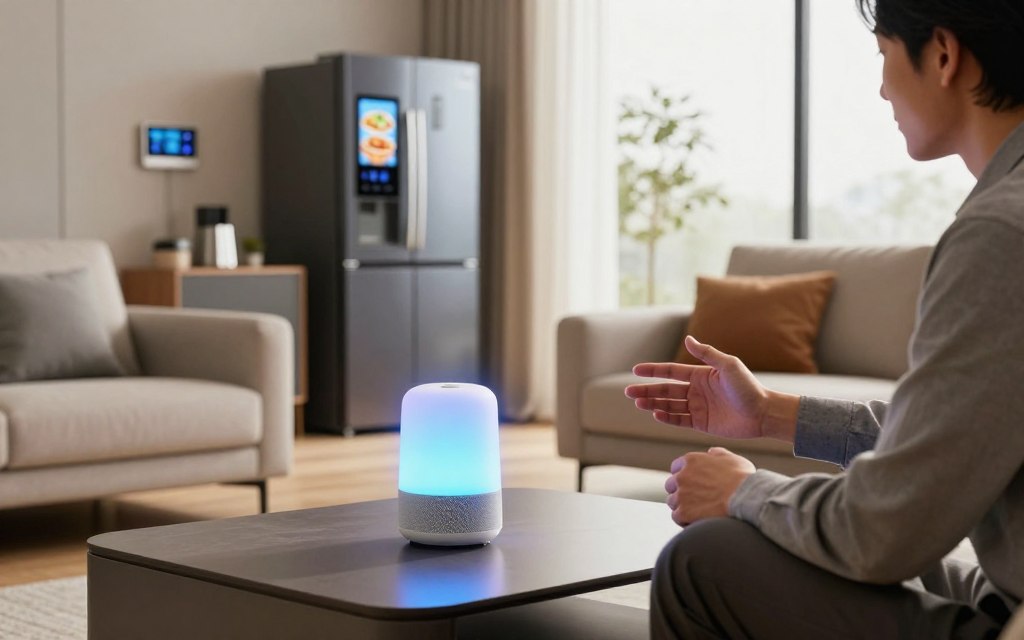
What’s really cool is setting up routines. You can make a “Good Morning” routine that does everything from turning on lights to making coffee. This makes our homes smarter and more convenient, making chatbots essential for modern living.
| Assistant | Core Scheduling Strength | Smart Home Integration | Personalisation Feature |
|---|---|---|---|
| Apple Siri | Deep integration with iOS/macOS Calendar & Reminders apps. | Works with HomeKit-certified devices for a secure ecosystem. | Learns user preferences for music, podcasts, and app usage. |
| Google Assistant | Contextual suggestions based on Gmail, Maps, and search history. | Broad compatibility with Nest and thousands of partner brands. | Curates personalised news briefs and commute alerts. |
| Amazon Alexa | Basic calendar management and list creation via voice. | Extensive compatibility; the leading platform for smart home skills. | Creates complex multi-device routines for home and entertainment. |
Personalised News Digests and Content Curation
Chatbot assistants help us deal with too much information. They can give you news, weather, or stock updates at a set time each day. They pick the best content from your favourite sources and present it in a neat summary.
They also help with entertainment. Based on what you like, they suggest new music, podcasts, or TV shows. They learn your tastes and become your personal content guide, saving you time and finding things you might enjoy.
Streamlining Commerce: Chatbots in E-commerce and Retail
The retail world is changing quietly, thanks to chatbots. These digital helpers are found on websites and apps. They guide customers from start to finish, making shopping easy and fun.
Chatbots turn browsing into a chat, offer peace of mind after buying, and make purchases simple. It’s like having a personal assistant for your shopping.
Product Discovery and Personalised Recommendations
Online shopping can be overwhelming. Chatbots help by chatting with you to find what you like. For example, H&M’s chatbot asks questions to suggest clothes just for you.
This approach makes shopping feel personal. It helps you find items you’ll love, increasing the chances of a sale. It’s all about making you feel understood, not lost in a sea of choices.
Order Tracking and Customer Support Queries
After buying, you might wonder when your order will arrive. Chatbots make it easy to track your order. Zalando’s chatbot gives updates right away, saving you time.
Domino’s Pizza goes further. Their chatbot lets you track your delivery and reorder without calling. It’s all about making things easier for you, so you can enjoy your pizza without hassle.
Facilitating Seamless Checkout and Payment Processes
The checkout process can be a barrier. Chatbots remove this by allowing you to pay right in the chat. Nike’s Messenger bot is a great example, letting you buy sneakers without leaving Facebook Messenger.
This makes shopping smooth and easy. It’s like buying from a real store, where the salesperson handles the payment. Chatbots are making online shopping as simple as a text message.
From start to finish, chatbots are making shopping better. They make every step of the process easy and personal. It’s all about creating a shopping experience that feels just right.
Revolutionising Customer Service and Support
Modern customer service has changed a lot. Now, chatbot apps are key in giving quick help. These smart systems are not just new; they’re essential for good support. They help businesses meet customer needs fast and easily.
Chatbots handle simple tasks, freeing up people to solve harder problems. This change is changing how customer service works.
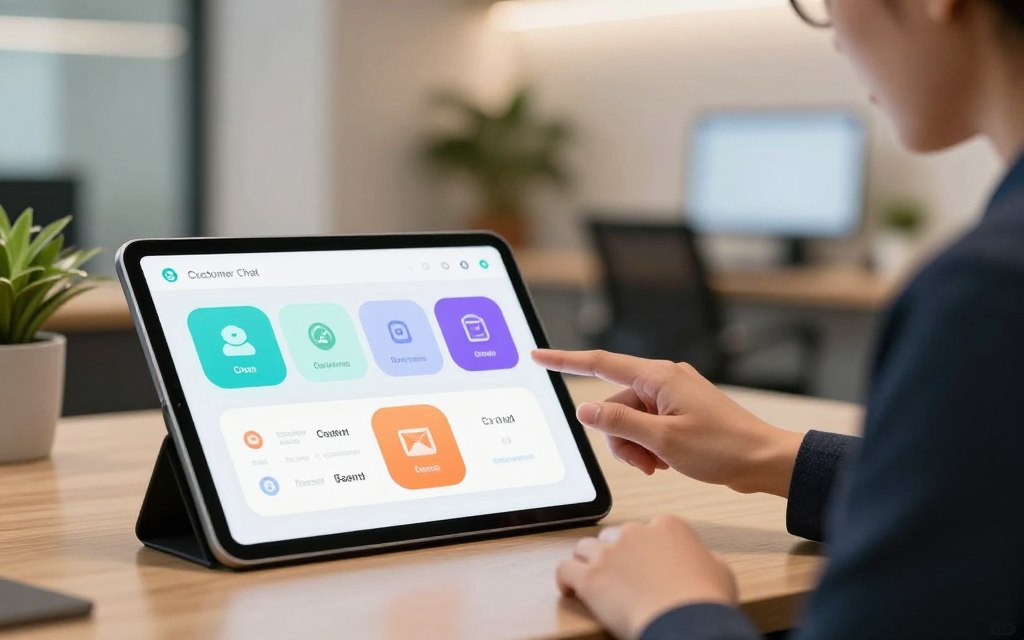
24/7 Instant Response to Frequently Asked Questions
An FAQ chatbot is very useful. It answers common questions anytime. This means customers don’t have to wait or deal with long phone menus.
The HOAS housing association’s chatbot handles over 59% of inquiries. It deals with questions about rent, maintenance, and policies. Only complex issues go to a person.
This makes support teams work better.
The benefits are clear:
- Immediate Resolution: Customers get answers quickly.
- Reduced Operational Costs: Chatbots cut down on calls and emails.
- Improved Customer Satisfaction: Quick answers make users happy.
Handling Complaints and Troubleshooting Issues
Chatbots can also handle complaints and start troubleshooting. They act like smart filters, figuring out problems. For simple issues, they guide customers to fix things themselves.
If it’s too hard, they pass it on to a person. This makes sure the right person knows what to do.
Amazon’s support bot is a great example. It deals with millions of questions every day. It handles simple stuff and passes on the tough ones.
This way, complaints are managed better:
- The chatbot calmly gets the first details, making customers feel heard.
- It gives quick acknowledgement, making customers feel they’re being listened to.
- It sorts and prioritises, so people can focus on what really needs their attention.
Collecting Feedback and Conducting Post-Service Surveys
Chatbots are great at getting feedback. They’re better than email surveys because they’re more personal. They can talk to customers right after they’ve been helped.
Companies like DevRev use chatbots to get insights. They ask a few questions in a chat-like way. This makes people more likely to answer, giving better feedback.
Talking to a chatbot makes surveys feel friendly and quick, improving how good the answers are.
This is perfect for things like Net Promoter Score surveys. The feedback goes straight to the CRM, helping the company get better.
| Support Function | Traditional Method | Chatbot-Enhanced Support |
|---|---|---|
| Availability | Limited to business hours | Genuine 24/7 customer support |
| FAQ Handling | Manual replies; repetitive work for agents | Fully automated by an FAQ chatbot; instant answers |
| Issue Triage | Manual sorting by agents; slow prioritisation | Automated diagnosis and intelligent escalation |
| Feedback Collection | Low-response email surveys | High-engagement conversational surveys |
| Agent Efficiency | Time spent on routine queries | Focus on complex, high-value customer interactions |
In short, chatbots are changing customer service. They ensure quick help, manage problems well, and talk to customers better. They’ve become a key part of improving every support interaction.
Enhancing Workplace Productivity and Collaboration
Chatbots are now key in the digital workplace, helping with internal tasks. They aim to make work smoother, letting teams focus on creative tasks. This change is about making work better, not just automating it.
Internal IT Helpdesks and HR Onboarding
HR and IT teams often deal with many repetitive questions. A HR onboarding chatbot changes this. For example, IBM Watson Assistant can screen candidates and schedule interviews.
Once hired, onboarding bots answer new employee questions 24/7. This speeds up the onboarding process and ensures accurate information. It also helps new hires and reduces HR’s workload.
Meeting Scheduling and Project Management Updates
Coordinating schedules can be a big time-waster. Chatbots like Calendly’s make it easier. They find the best times for meetings and send out invites.
In Slack and Microsoft Teams, bots update project info on demand. Asking about priorities or project status gets an instant answer. This keeps everyone on the same page without app switching.
Automating Routine Administrative Tasks
A productivity chatbot shines in automating simple tasks. These include filing reports and making documents. It also compiles weekly reports from various sources.
Asana’s AI assistant sorts tasks based on deadlines and goals. This helps teams focus on important tasks. By automating these tasks, organisations save time and reduce errors.
These tools make the workplace more agile and efficient. For more on how chatbots are changing work, read about chatbots and workplace productivity. They’re making work smarter and more human.
Promoting Health and Wellness
Chatbot technology is now a big help in keeping our bodies and minds healthy. These digital helpers give us support that’s both proactive and personal. They help us take care of ourselves in new and exciting ways.
Symptom Checking and Triage Assistance
A healthcare chatbot is great for checking symptoms. It asks smart questions about what’s wrong and how long it’s been bothering you. Then, it figures out what might be causing it and what to do next.
This symptom checker doesn’t give a diagnosis. But it gives you useful info. It might tell you to take care of yourself, go to urgent care, or even the emergency room. This helps avoid worry and gets you to the right place fast.
Medication Reminders and Mental Health Support
Remembering to take medicine can be hard. Chatbots send reminders to your phone to help. You can set these reminders to fit your schedule, making it easier to stay on track.
For mental health, chatbots offer support right when you need it. Apps like Woebot chat with you to help manage stress and negative thoughts. They offer daily exercises to help you feel better and build strength.
Fitness Coaching and Dietary Advice
Chatbots also help with fitness and diet. Apps like MyFitnessPal use their bots to give you advice based on your activities. After you log a workout or meal, it might suggest ways to improve or offer encouragement.
They do the same after a gym session. They might praise you or suggest more exercises to try. This turns the app into a personal coach, helping you reach your fitness goals.
Chatbots are changing how we take care of ourselves. They help with symptoms, remind us to take medicine, support our mental health, and even act as fitness coaches. They make it easier than ever to take care of ourselves every day.
Transforming Education and Personal Learning
Imagine having a tutor ready to help you anytime, explaining tricky topics or helping with a new language. This is what educational chatbots offer. They are changing how we learn, making support more flexible and easy to get. They meet each student’s needs, filling gaps in traditional classrooms.
The main advantage is personalisation. An educational chatbot can change its teaching style and speed based on how you respond. This creates a learning experience that’s hard to get with one teacher and thirty students.
Personalised Tutoring and Homework Help
Students often need help outside school hours. AI tutors fill this gap perfectly. They guide you step by step on homework, from maths to history.
These bots understand your questions thanks to natural language processing. They then give accurate, quick answers from a huge knowledge base. For example, they can tell you about university financial aid deadlines.
The benefits are clear:
- On-demand assistance: No waiting for office hours.
- Reduced anxiety: A private, judgement-free space to ask “simple” questions.
- Concept reinforcement: Bots can explain topics in different ways until you understand.
Language Learning Practice and Cultural Exchange
Learning a new language needs regular practice. A dedicated language learning bot is great for this. It’s always there to chat with you.
You can practice speaking, listening, and grammar in a relaxed setting. The chatbot uses real conversations, from ordering food to discussing news. Some bots even offer gentle corrections and cultural insights.
This conversational practice is invaluable. It boosts your confidence before speaking with native speakers. Plus, bots can connect you with cultural experiences from around the world.
Administrative Support for Students and Institutions
Chatbots do more than teach. They also help with important administrative tasks. Schools and universities use them to answer common questions from students and parents.
They handle questions about joining, timetables, campus services, and library hours. A custom educational chatbot can access real-time data from student systems. It gives accurate answers on course details, room locations, and fees.
This automation brings big benefits:
- Staff workload reduction: Human advisors can focus on complex issues.
- Faster student resolution: Instant answers to common questions, day or night.
- Improved institutional resource allocation: Data from bot interactions helps identify support needs.
In short, these bots handle the routine tasks. This lets educators and administrators focus on the special needs of students. The result is a more supportive and responsive learning environment for all.
Conclusion
Chatbot apps have evolved a lot. They are now key for managing our daily lives and work. You can control your smart home with Amazon Alexa or get fashion tips from Sephora’s virtual artist.
These digital helpers make our lives easier and more personal. They help businesses like Domino’s with customer support. They also offer health advice through apps like Ada and educational help on Duolingo.
The future of chatbot technology looks bright. By 2027, they will be the main way companies support customers. The market for these tools is expected to hit $994 million by 2025.
Chatbots can save businesses a lot of time. In 2023, they could save up to 2.5 billion hours of work. This is thanks to automating tasks in HR, IT, and admin.
Knowing how chatbot apps work is now vital. It’s for anyone wanting a more organised, efficient, and personal future. Our conversations with machines are just beginning.
FAQ
What exactly is a chatbot app used for in daily life?
A chatbot app is a tool that helps solve problems by talking to you. It’s like having an instant assistant for everyday tasks. For example, Google Assistant can manage your schedule, while H&M‘s bot helps you find clothes. Domino’s bot lets you track your order in real-time.
These bots aim to save you time and effort by providing quick support. They make life easier by automating tasks.
How have chatbots evolved from simple auto-replies?
Chatbots have changed a lot from simple auto-responders. Now, they use artificial intelligence and natural language processing. This makes them much smarter.
Unlike old bots, today’s ones from IBM Watson or DevRev understand context and learn from you. They can handle complex conversations, making them perfect for today’s needs.
What is the difference between a rule-based and an AI-powered chatbot?
A rule-based chatbot follows a set of rules to answer questions. It’s good for simple tasks like checking balances or answering FAQs. Many banks use them.
An AI-powered chatbot is more advanced. It uses machine learning to understand what you mean and adapt to your needs. This makes it great for complex tasks like shopping advice or troubleshooting.
Can a chatbot app really act as a personal assistant?
Yes, chatbot apps like Apple’s Siri, Amazon Alexa, and Google Assistant are personal assistants. They manage your schedule, set reminders, and control smart devices. They even suggest music and news based on your preferences.
They act like a digital concierge, making your life easier by organising your environment and information.
How do chatbots streamline the online shopping experience?
Chatbots make online shopping better in many ways. For example, H&M‘s bot helps you find clothes through quizzes. Zalando‘s bot tracks your order, reducing the need for customer service calls.
Chatbots in apps like Facebook Messenger make checkout easy and fast. This makes shopping online smoother and more convenient.
In what ways do chatbots revolutionise customer service?
Chatbots change customer service by answering questions 24/7. They handle up to 80% of routine queries, freeing up human agents for harder tasks. This is how companies like Amazon scale their service.
They also make giving feedback and surveys easier. This leads to more responses and useful insights, thanks to platforms like DevRev.
How can chatbots enhance productivity in the workplace?
Chatbots can make work better by automating tasks. They help with HR processes like screening applicants with IBM Watson. They also help new hires get started.
They can even manage meeting schedules, reducing email clutter. In platforms like Slack or Microsoft Teams, they keep projects on track by automating updates and reminders.
Are chatbots reliable for health and wellness advice?
Chatbots are not a substitute for doctors but are helpful in health and wellness. Triage bots like Ada Health can assess symptoms and guide you. They also remind you to take medication.
In mental health, chatbots offer support and coping strategies. Fitness apps use them to give workout advice and diet plans based on your goals.
What role do chatbots play in education and learning?
In education, chatbots help with learning and admin tasks. They act as AI-powered tutors, helping with homework and explaining tough topics. They’re great for language learning too.
They also help with student questions about school, freeing up staff for more important tasks. This makes learning better and more efficient.


 By
By